
Frequently asked questions
-
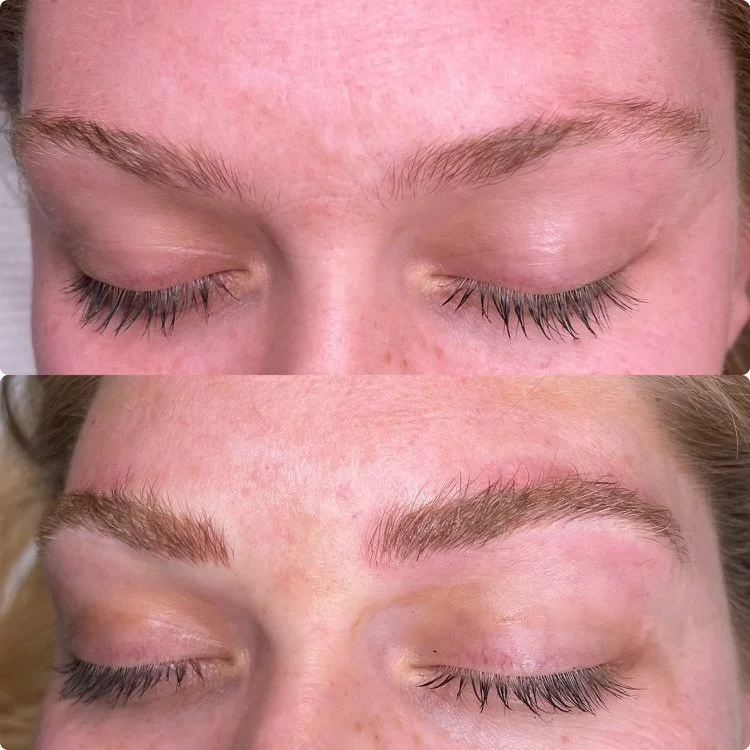
Permanent makeup is a form of tattooing where small amounts of pigment are inserted into the skin. Imagine hyper realistic hair strokes that flow with your natural brow pattern. Permanent makeup can be used to enhance the natural beauty of your brows, lips, eyes, and skin or to cover up scars. It is a great option for anybody who wants to save time, energy and money applying makeup, also for those that don’t want to apply toxic chemicals to skin every day.
-
Everyone is different and there are some conditions that may prevent you from some services. The following could prevent you from receiving treatment:
Medical Conditions:
Pregnant or Breastfeeding
Hemophilia and bleeding disorders
Thyroid conditions and medications.
Autoimmune Disorders
Sick (Cold, Flu, Covid)
Diabetes
Epilepsy
Skin Conditions:
Ingrown Hairs
Eczema
Psoriasis
Dermatitis
Severely Oily Skin
Enlarged Pores
Shingles
-
Results vary by person. With a second session, many clients enjoy three to four years before wanting a color refresh. Without that second session, it may last up to about two years, depending on skin and lifestyle.” Sun, retinols and active skincare, peels, microneedling, and lasers can fade results faster.
-
In most cases, yes! If your previous work was done by another artist, a consultation is necessary before scheduling your appointment. In some cases, saline removal may be necessary.
-
Because everyone heals differently, a perfecting session is not always required. If you want extra density or refinement after healing, it can be booked separately.
-
Microblading causes bleeding, scabbing, scarring unless done by a top artist. There are very few skin types that can successfully heal from microblading. Multiple tattoo techniques are better for all skin types and have better longevity compared to microblading, like Nano Brows or Powder Brows. Oily, combination skin should not be microbladed. Microblading can expand or blur out over time which does not happen with Nano Brows. Microblading is done by manually cutting or slicing the skin with a blade and introducing pigment. The procedure causes more trauma and is not recommended for people with hyperpigmentation, keloids, mature skin, thin skin, or ethnic skin.

